I think my sister and I were sitting around the dinner table at my parents' apartment when we had the idea. "What if we went to London for FrightFest?" In their retirement, my parents have developed an interest in taking whole-family vacations, partners included. We'd all traveled to Mexico City for a week last year, and I enjoyed showing my parents the unearthly plazas of Tenochtitlan and the Rivera murals of the revolucionarios storming the capitalists' dinner parties at the Secretariat of Education. But in my anxiety I had tried to map out every minute of that trip, and it took a lot out of me. When they asked us to plan a follow-up, I thought it would help me loosen my grip if we all went somewhere where we spoke the language, and where we'd all been at least once before. I happened to know that FrightFest London was going on at the end of August. I proposed it more or less as a joke—the festival would appeal to me and my sister and be a groaner for everyone else. But the joke evolved into an actual trip, with plane tickets and everything.
And I had been to London before, with Nina in 2016, though I didn't write about here. My memories from that trip: We stayed in a very modern but very small (verging on "capsule") hotel room with adjustable colored LED lighting and, distressingly, a transparent bathroom wall. We took a Jack the Ripper-themed London Ghost Walk where we were admonished to consider the lives and deaths of Victorian sex workers in a way that seemed a little ahead of its time. We toured the Tower of London, where I tipped a Cornishman a tuppence (?) after using a pay toilet by the Traitors' Gate. The Crown Jewels? Nice, I suppose, but the crown's a piece of shit. We ate strange and cumin-heavy approximation of Mexican food at a now-defunct restaurant in Notting Hill called Crazy Homies. I ate a very mayonnaise-y chicken salad on a big leaf of lettuce at a historic pub (maybe The Seven Stars in Holborn) and survived. We navigated a gauntlet of Friday night revelers on Shoreditch High Street, some of them passed out on the threshold of the pubs they'd been entering or leaving, other visitors stepping over them as they went inside. We chickened out of buying entry to a smoke-filled bingo parlor tucked away in an abandoned corner of the mall at Elephant & Castle. I bungled a scheduled visit to Lady Dinah's Cat Emporium in East London and left us wandering the tall grasses at Hackney City Farm. It was December, but as I recall it wasn't very cold. Harry Potter was everywhere.
Reflecting upon that trip, my conclusion is that London is (obviously) a multifarious place where people live and work and rejoice and despair, and making itself visible and clear to tourists is a small function of its overall activity. So for a return trip I felt some motivation to dig into it a bit deeper. You can't just wander around. You do have to plan a little bit, book some tickets to the rides. I was aided in this effort by a fleet of British podcasts in my RSS feed, in particular What's All This Then, which gave me an updated cultural lens on a full spectrum of British cultural ephemera; and The Evolution of Horror, which primed me for FrightFest and the London cinemar experience. My sister also identified that AEW would be coming to Wembley that week, and tapped her network of gourmandizers to identify restaurants that would meet our party's array of dietary restrictions. She also booked a charming three-story row house for us all to stay at in Shoreditch, right across a narrow street from St. Leonard's churchyard, and down the street from a really nice little cafe with the not-quite-idiomatic name Beans Love Greens. (We ate there almost every day.) A few blocks away from the Museum of the Home, a surprisingly charming collection that I visited twice.
The evening of the first full day, my sister and Nina and Pete and I had procured tickets to see Paranormal Activity in the West End. This was another "what if we just did it" impulse booking, but it turned out to be a hoot. Mike Muncer didn't like it, and I can sort of understand why: As a horror story, it's pretty thin soup. And for better or worse it doesn't really have anything to do with the Paranormal Activity films. (I'd made everyone re-watch the first one the night before.) But! It has some genuinely surprising special effects that are a thrill to see live, a few feet from your face; in particular a bit with a bathrobe, and a bit with a couch. We argued about how they must have been achieved for the rest of the night.
The next day we'd booked tickets to see an open-air performance of Much Ado About Nothing (or "much ado about p-word" as I explained to my sister) at Shakespeare's Globe in South Bank. A fun performance for the whole family, with practical effects: dry ice billowing out of Hero's grave plot; a fake wiener that Borachio uses to pee onto the set balcony. I think I saw Charles Dance in the audience. The people in the yard got some fun interactions with the cast, but I was glad we had seats in the stalls, under a truly luxuriant thatched roof. Afterwards we walked through Borough Market and got Sri Lankan food at Rambutan. It was pungent and good. And then that evening Caroline and Pete and Nina and I went over to The Queen's Head on Shoreditch High Street and I got to try a spice bag for the first time. I think it may have been a kind of "gastropub" formulation of the dish, since "cauliflower hot wings" were also on the menu (and we also ordered some of those). But it was good!
Nina and I booked a tour of Highgate Cemetery. I wanted to see Marx—the big guy—but she persuaded me that we should take in the catacombs as well, which required joining a tour group. Hiking up steep incline of Swain's Lane, we saw lots of enormous ravens (we saw ravens everywhere during the trip) and we also saw, briefly, a fox standing on a brick wall. Was this a normal thing to see, like the ravens, I wondered? Exotic to us Yanks but everyday stakes for Londoners? "Oi, that's a fox innit," said someone nearby. So there you go. Highgate is divided into two parts, and our tour covered the older, Western side. Our guide emphasized that the Eastern half might have more of the celebrity graves (Marx, McLaren, Eliot) but that we should consider the other people buried there, and how they were buried (and sometimes dug up). Faraday. The lost girls of Highgate. We got to go inside the locked catacombs up by the terrace and heard about the vampire panic of the 1970s. We saw Lion the Dog of Sayers and Nero the Lion of Wombwell. Afterwards we did cross over to the Eastern side, and we did go in search of Marx's huge marble grave. It's impressive! Just like the photos. I didn't touch it. There were a lot of tributes piled up, many of them in Chinese. A few other visitors were paying their respects, including a serious young binoclard, a girl with powerful Steban The Student Communist energy who stood a long time in quiet contemplation. We'd learned on the tour that Marx had been reinterred from a previous location, and after looking at the new one for a bit we went in search of the old one as well. You can sort of understand why they moved it back in 1954; the original grave is unassuming and mingled in among many others. The map was confusing and we doubled back a few times. And then a small black cat came trotting up the lane, stopping briefly to sun itself on a large rock next to us before getting up, stretching, and then veering off the road into the graves. An Omen, we thought, and followed it. And it didn't quite lead us to Marx but we wouldn't have found him without the intervention of the cat. On the flat surface of the grave someone had left a note: "They charged me ten quid to come in here."
Wednesday evening we had plans to visit with my dad's old friend Vaughan and his family. Vaughan's daughter Pinny was a childhood associate of mine on summer vacations when our two families would sometimes intersect. We'd lost touch but I'd seen her last year when a really fun film she'd made with her husband Sam, Grand Theft Hamlet, had a New York City premier at the IFC Center. That night in London, Vaughan's wife Polly had thrown a wine and cheese reception for my dad in the gallery space of her bookshop in Hackney. We all mingled and chatted for a bit and then caravaned out to their townhouse in Islington where we ate a whole lot of Indian food in the massive ground floor kitchen, plus peaches from Polly's country house.
The next day, I had to reckon with a weird problem with my new phone that was starting to become a real impediment: It kept thinking there was water in the charging port and was refusing to charge. I'd hoped it would resolve on its own (maybe there really was some water in there!) but it had been days and I was running out of juice. I finally broke the news to everyone and the whole entourage insisted on joining me on a visit to the Samsung Experience at Coal Drops Yard. They couldn't help me there (charging port was fucked and in need of replacement) and the mobile fix-it kiosks in Saint Pancras weren't much help either. But we did all wind up having lunch at North Sea Fish Restaurant, where I finally had a real fish and chips. There was a preserved perch in a sort of murky diorama mounted on the wall in the dining room along with other nautical bric-a-bac, with a claim that it had been there since the mid-1800s. Was that true, my dad asked our server. No idea. A party of nonagenarian friends (cousins?) were eating lunch there at the same time and explained as we were leaving that they were celebrating someone's 92nd birthday.
From there we tried to get into Sir John Soane's Museum, but it was too crowded, so we tried the Hunterian Museum instead. Committed readers may recall that I disapproved of the Mütter Museum when I visited a long time ago. The Hunterian seems more tuned for empathy than for showcasing the grotesque. I think that's good! There were still plenty of pickled wieners to look at, though.
Dinner at the Shoreditch location of Dishoom, a famous Indian restaurant with a sprawling internal layout meant to channel 1960s Mumbai cafe culture. I don't know! The food was very good.
The next night, we all went over to the Royal Albert Hall to catch Altın Gün performing with the BBC orchestra. This was a lucky coincidence of our attempts to find live music that would be happening during our trip. My recollection from my last visit was that I couldn't seem to find a way into the middle tier of performance in London; you could see a guy with a guitar playing the back of a pub, or you could spend a thousand dollars to see, like, Oasis playing a venue for a hundred thousand people. But there was nothing at the scale of, like, Music Hall of Williamsburg or whatever. So it was quite a stroke of luck to find Altın Gün, performing a crazy prestige showcase. Pete had opened for them, as a member of Ghost King! But this was a very different formation. I don't quite know how to describe it. Our seats were in the balcony looking down over the stage, where the band was gathered in a knot at the apron. Behind them was the entire BBC orchestra, a massive string and horn section filling the stage, with a gong and a bass drum tucked up in a nook above. The set began with some uptempo rock songs but transitioned quickly into a moodier set, longer instrumental pieces with melodies that rose and fell beneath the drone of hundreds of vibrating strings. Hovering in the air above us the massive sound diffuser mushrooms, blue and violet light playing over them to make them look like jellyfish. Maybe we were underwater.
After the show my parents wanted to go to bed but the rest of us went back out to for more adventures, first to The Queen's Head but then (initially as a joke) we walked over to The Munch to see about a "kebab munchy box." I thought the food looked sort of horrible but the really wild thing was that there was a security guard inside the shop brusquely directing traffic and rousting anyone who tried to sit down with their food. "Can't eat here, mate. Take it outside." I can only imagine the Friday night brawls that must have broken out before they hired him.
On Saturday we'd planned some slack time and I decided I would indeed like to check out FrightFest. My sister demurred (tummy ache) and Nina had a prior engagement; she dropped me off near Leicester Square on her way. So I made my way down Cranbourn Street in the rain, realizing that the treads on my Allbirds had worn almost entirely off and so I had to step carefully to avoid slipping on the paving stones. And as I got closer to Leicester Square I was surprised to see it was full of Chinese restaurants. But that was also where the Odeon was, and even if there hadn't been a huge FrightFest banner mounted above the entrance, the crowd of lanky men in black graphic tees would have signaled that something was up. The demographic actually reminded me strongly of LibrePlanet, a geek milieu I hadn't been immersed in for quite a while. Everybody was extraordinarily kind, and the festival staff accommodated my request to buy a single ticket to a random movie that happened to be playing. That movie happened to be The Brook, and it turned it wasn't actually playing at the main Odeon, it was showing instead at "Discovery Screen 1" which was in the Odeon Luxe West End on the other side of Leicester Square. The theater was several stories down underground and turned out to be extremely comfy—bed-sized reclining seats like the Battery Park Regal, with cup holders big enough to hold a stock pot. I ate about half of a small popcorn. The movie itself was, you know, alright. A sort of Murders in the Rue Morgue refactored to feature "The Elmbrook Puma," a premise I found hard to countenance until I discovered it was grounded in historical fact: The Dangerous Wild Animals Act of 1976 had apparently made illegal hundreds of exotic pets across England, and rather than comply with the new regulations, many owners apparently set their animals loose into the streets. The director and the cast were on hand to answer questions after the film, clearly very hyped to be featured at FrightFest. It was very sweet. On my way out, I poked my head in the door at The Moon Under Water, a neighboring pub with an amazing (though apparently not unique) name, in the hopes of glimpsing one of the hosts of The Evolution of Horror or Gore Things, but I didn't recognize anyone in the press of goth-y FrightFesters and working class Londoners.
I'd first heard about Gregg's sausage rolls on What's All This Then, in which the hosts grudgingly acknowledged how good they are, but also that there were vegan ones available. So I knew I wanted to try one of those. I'd had one at Beans Love Greens that was very tasty, but also five quid. So when I found myself a bit at loose ends after the movie, wandering The Strand near Covent Garden and I happened to pass a Gregg's, I thought, This is the moment. So I went in and got one. It was good! A bit mushier than the high end version. But here's the crazy thing- they're only one-pound-twenty, same price for the vegan one as the regular one, and if you spend three fifty you get four. Truly unbelievable.
Saturday Nina took me to Brixton for dinner after a long walk through Westminster. A mentally ill man shouted theories about microwaves from outside the gates to 10 Downing Street to some amused-looking guards cradling assault rifles. Once in Brixton we walked through Electric Avenue to a cute food court to a cute restaurant called Veg & Tings, an offshoot of a place called Fish, Wings & Tings next door. I ordered vegetable roti. It was very good. As the evening drew on the food court was transitioning to a party scene, and people were queueing up to get into a nightclub. I stopped to use the bathroom, a modernized pay toilet that accepted contactless payment. The urinals were all grouped together in a single large stall at the end of a row of cubicles. There was a guy in there pissing when I went in, and he was still pissing when I finished up. "'Ow's your night going?" he called after me.
We had a Sunday roast upstairs at Owl & Pussycat, a slightly self-conscious pub with an ersatz tin ceiling. Vegan for me, a sort of spinachy pot pie alongside the carrots and parsnips. I felt beyond stuffed for the rest of the day.
And finally, we came to the wrestling. I'm not a huge wrestling guy. No problem with it, I think the new generation of it just kind of missed me. But my sister and Pete are fanatics, and this AEW show promised to delivery important developments in The Lore. It takes a while to get out to Wembley, and you pass through several strata of English class society on the way there, I think, at least as viewed through the tube window. We timed things so we'd mostly catch the fights at the top of the card, and so the Olympic Way was mostly empty as we walked up from the station under a cloudy sky and the huge print banners with the faces of the wrestlers. It took us a good 20 minutes of walking to get all the way to our seats, and we were just in time for the Jon Moxley / Nigel McGuinness match. I'm not sure how much I have to say about the fights themselves—you can look 'em up on Wikipedia, I guess. The fight where the CEO Lady kicked the ass of the Positive Attitude Lady was both brutal and very funny. Darby Allin climbed the rigging, jumped off, and seems like he got pretty badly fucked up. Sting hit some guys with a bat. Everyone was very brave and talented. But the arena experience was wild on its own. Wembley is really big! The show was mostly sold out at around forty thousand tickets, my sister estimated, but the arena was only at half capacity. All of the action took place in a small tent in the middle of the field. We wouldn't have been able to see much without the mounted screens blowing up the action. Elaborate video montages for each group of wrestlers promenading up to the ring, amid a generous evocation of fireworks. At my sister and Pete's recommendation, we left before the end of the top of the card and began to make our way back to Shoreditch through the drizzle.
And that's all this then.
joolean
Mass for fat asses.
Monday, August 31, 2026
Sunday, July 05, 2026
Raw Zucchini & Mint Salad
This is a recipe I think I may have invented mostly by myself. I think it's a good option for summer, especially if you're signed up for a CSA that gives you lots of squash and/or you don't like lettuce that much.
Raw zucchini and mint salad
Ingredients:
One or two medium-to-large zucchinis or summer squash, diced
One small handful of fresh mint leaves, chiffonaded
One teaspoon of Lao Gan Ma chili crisp
A generous splash of olive oil.
Add all ingredients to a large bowl, then stir to combine. Let chill in the refrigerator for a bit before serving. Makes about 4 small bowls.
Raw zucchini and mint salad
Ingredients:
One or two medium-to-large zucchinis or summer squash, diced
One small handful of fresh mint leaves, chiffonaded
One teaspoon of Lao Gan Ma chili crisp
A generous splash of olive oil.
Add all ingredients to a large bowl, then stir to combine. Let chill in the refrigerator for a bit before serving. Makes about 4 small bowls.
Thursday, November 20, 2025
The Wettest Man Living
I never thought it would happen to me: The year my friends and I elected the Mayor of New York City.
A lot has already been written and I think will be written about what we (almost entirely not me) did between July 2024 and November 2025, so I'll confine my remarks to some of the things that I remember first-hand.
To be honest, I was against the idea of Zohran running when I heard about it for the first time. I think it was the day of the June primaries in 2024—I was sitting in the third floor bedroom of a Bed-Stuy townhouse generously donated as a canvass staging location by a volunteer for Eon Huntley's campaign. My friend S and I were between dispatching door-knocking shifts for GOTV. The day felt unreal, stiflingly outside. We'd pulled the blinds inside the apartment to create a recovery room for returning volunteers, amidst the boxes of jewelry and makeup and perfume samples. Both of us had woken up before dawn in order to get the site running by the time the polls opened at 6:00 AM. "I didn't like the idea at first," S said, "but now I'm warming up to it." What else were we going to do next year, she pointed out. We needed a Big Project. The members would get restless, otherwise, turning to factional infighting like they'd done in 2023.
I wasn't convinced. It seemed to me that the purpose of winning the mayoralty, which holds sweeping administrative powers but little ability to pass durable legislation advancing our political positions, would be to reform or abolish the NYPD. And as David Dinkins' and Bill de Blasio's experiences demonstrated, if you made even the slightest gesture towards doing that, the cops would, uh... resist, to say the least. But the biggest problem, as I saw it, was that we couldn't win the race. We'd lost three of the four races we worked on in 2022. We'd go on to lose two out of three in 2024—including Eon's by a nerve-wracking 260 votes. And losing is not winning! If we couldn't bat higher in contests for relatively small districts in the state legislature, I reasoned, how could we possibly hope to win a jurisdiction several orders of magnitude larger? I tried to make my point at the South Brooklyn branch endorsement forum, smugly informing the people gathered at Good Shepherd Lutheran Church on 74th Street that there was "no path to victory."
Needless to say, it didn't work. I was temporarily flummoxed. I considered flouncing. But that's hard to do when all of your friends are on the other side of your preferences. Part of me knew that they were right—one state legislature seat every two years wasn't going to win socialism. And I couldn't shake the feeling that I was failing an important test of vision or ambition. I kept thinking of that line from Trouble Boys about how Bob Stinson would have been happy playing the same Minneapolis dive bar every night for his whole life. Ultimately I found a compromise position, which was to help out on Alexa's re-election campaign. She was facing down a primary challenge from the right, from an unprepared careerist dumb-dumb funded by a state level AIPAC-like formation. In retrospect, we were silly to take it seriously, but I think we were all on edge from seeing what happened to Jamaal Bowman. But that's how I tried to stay relevant, and I did find myself increasingly enthusiastic about the "all city" nature of the Zohran campaign. I duly filled my Zetrocard (mostly through joint Alexa canvasses in Sunset Park) and spent a few weekend afternoons bundling lit on the top floor of my former co-working space at The Yard on 13th St. (I was there when the off-gassing from the freshly-printed palm cards triggered the fire alarm.) I thrilled to the Hasan Piker interview transitioning to a walking tour of Yemeni coffee joints in Astoria, ground my teeth at Hasan saying he wasn't hungry for dinner when the dinner was obviously gonna be fire. When Alexa and Zohran rallied in Sunset Park and Raul and that goblin Christopher showed up to start trouble, I joined the phalanx keeping them at bay, and we all danced to the music from Isela's portable speaker.
The final weeks of the campaign were remarkable. A hundred people showed up to a weeknight canvass at the athletic field on 59th St. across the street from Las Rosas, more people than we'd marshaled to kickoffs for some of our previous state campaigns. The Hot Girls 4 Zohran brand was dominant, even as there was some benign confusion over who they were and how they were organized. (We joked that Hot Guys 4 Zohran would print some shirts just as soon as we could get our shit together.) A citywide network of porch and foyer lit stashes supplied asynchronously by volunteer couriers propelled the massive field operation. Local media talked not just about the phenomenon of the campaign and the candidate, but about the phenomenology of the great mass of people volunteering for the campaign on a regular basis. Seemingly everyone on the subway or walking down a major thoroughfare was brandishing a Zohran tote. Six weeks of Total Cultural Hegemony. Politics was back!
I watched the date of the primary approach with mounting dread, however- the forecast predicted a historically miserable day, with a Feels Like high of 120. But showing up for E-day is non-negotiable, so I'd taken the day off work and booked myself for consecutive shifts starting at 9:00 AM. (Since becoming Old I've granted myself the luxury of sleeping past the 6:00 AM shifts.) I reported for duty at a Red Hook loft apartment decorated with Bohemian taste, the owner elsewhere but a geriatric cat prowling the kitchen where the turf was being sorted. I was quickly dispatched to a poll site at a public school on W 9th near the highway, where I sheltered under a tree. As I've found is often my experience of heatwaves, the sun felt too bright for how early in the day it was, but not yet intolerably hot. The real heat set in for my afternoon door shifts, where I was Getting Out The Vote in the Red Hook NYCHA complex near Dwight St. The little concrete plazas between buildings were punishingly bright and hot, and you could see people darting across them to reach patches of shade behind the buildings. In some of the houses, people had set up box fans in the hallways and had gathered to smoke and talk, presumably because the tile finishes of the halls kept them cooler than the apartment interiors. I was soaked with sweat by the time I reached my target doors mere blocks from the staging location, prompting some kindly older voters to invite me in for some air conditioning and a bottle of water.
I'd volunteered to run a table at the South Brooklyn results watch party at Sunset Stoop, a lovely bar on 5th Ave. that had opened last summer and whose owner Roberto had been an early Zohran supporter. The place was already packed by the time I pulled up a little after 9:00 PM in a car with some Thai food Nadia'd ordered for us at the Red Hook loft. The Citywide Electoral Working Group had primed us with instructions for talking to members in the event of blowout loss, as well as talking points if the race was too close to call—this last being our expected outcome given the campaign's positive swing in the polls over the final weeks. We were, of course, not prepared for a decisive, thirteen-point win; and when that happened the crowd surged. A few minutes later our liaison to the bar recruited me to relieve some crowd pressure by taking a contingent of celebrants up to L'Wren, another politically aligned bar a few blocks up the street with a capacious and air-conditioned back room. We quickly filled that place up as well, and the crowd spilled out onto the street, chattering and singing songs. The sun had set, the full dark of night had fallen but it was easily still ninety degrees or more outside. Nina and I bought the bodega on 41st St. out of bottled water to distribute to our dehydrated comrades, then did the same at the store on 39th. Beyond my physical discomfort, I felt uneasy giving myself over to the revels—I was thrilled that we'd won, but that night seemed like it ought to belong to the True Believers.
A lot has already been written and I think will be written about what we (almost entirely not me) did between July 2024 and November 2025, so I'll confine my remarks to some of the things that I remember first-hand.
To be honest, I was against the idea of Zohran running when I heard about it for the first time. I think it was the day of the June primaries in 2024—I was sitting in the third floor bedroom of a Bed-Stuy townhouse generously donated as a canvass staging location by a volunteer for Eon Huntley's campaign. My friend S and I were between dispatching door-knocking shifts for GOTV. The day felt unreal, stiflingly outside. We'd pulled the blinds inside the apartment to create a recovery room for returning volunteers, amidst the boxes of jewelry and makeup and perfume samples. Both of us had woken up before dawn in order to get the site running by the time the polls opened at 6:00 AM. "I didn't like the idea at first," S said, "but now I'm warming up to it." What else were we going to do next year, she pointed out. We needed a Big Project. The members would get restless, otherwise, turning to factional infighting like they'd done in 2023.
I wasn't convinced. It seemed to me that the purpose of winning the mayoralty, which holds sweeping administrative powers but little ability to pass durable legislation advancing our political positions, would be to reform or abolish the NYPD. And as David Dinkins' and Bill de Blasio's experiences demonstrated, if you made even the slightest gesture towards doing that, the cops would, uh... resist, to say the least. But the biggest problem, as I saw it, was that we couldn't win the race. We'd lost three of the four races we worked on in 2022. We'd go on to lose two out of three in 2024—including Eon's by a nerve-wracking 260 votes. And losing is not winning! If we couldn't bat higher in contests for relatively small districts in the state legislature, I reasoned, how could we possibly hope to win a jurisdiction several orders of magnitude larger? I tried to make my point at the South Brooklyn branch endorsement forum, smugly informing the people gathered at Good Shepherd Lutheran Church on 74th Street that there was "no path to victory."
Needless to say, it didn't work. I was temporarily flummoxed. I considered flouncing. But that's hard to do when all of your friends are on the other side of your preferences. Part of me knew that they were right—one state legislature seat every two years wasn't going to win socialism. And I couldn't shake the feeling that I was failing an important test of vision or ambition. I kept thinking of that line from Trouble Boys about how Bob Stinson would have been happy playing the same Minneapolis dive bar every night for his whole life. Ultimately I found a compromise position, which was to help out on Alexa's re-election campaign. She was facing down a primary challenge from the right, from an unprepared careerist dumb-dumb funded by a state level AIPAC-like formation. In retrospect, we were silly to take it seriously, but I think we were all on edge from seeing what happened to Jamaal Bowman. But that's how I tried to stay relevant, and I did find myself increasingly enthusiastic about the "all city" nature of the Zohran campaign. I duly filled my Zetrocard (mostly through joint Alexa canvasses in Sunset Park) and spent a few weekend afternoons bundling lit on the top floor of my former co-working space at The Yard on 13th St. (I was there when the off-gassing from the freshly-printed palm cards triggered the fire alarm.) I thrilled to the Hasan Piker interview transitioning to a walking tour of Yemeni coffee joints in Astoria, ground my teeth at Hasan saying he wasn't hungry for dinner when the dinner was obviously gonna be fire. When Alexa and Zohran rallied in Sunset Park and Raul and that goblin Christopher showed up to start trouble, I joined the phalanx keeping them at bay, and we all danced to the music from Isela's portable speaker.
The final weeks of the campaign were remarkable. A hundred people showed up to a weeknight canvass at the athletic field on 59th St. across the street from Las Rosas, more people than we'd marshaled to kickoffs for some of our previous state campaigns. The Hot Girls 4 Zohran brand was dominant, even as there was some benign confusion over who they were and how they were organized. (We joked that Hot Guys 4 Zohran would print some shirts just as soon as we could get our shit together.) A citywide network of porch and foyer lit stashes supplied asynchronously by volunteer couriers propelled the massive field operation. Local media talked not just about the phenomenon of the campaign and the candidate, but about the phenomenology of the great mass of people volunteering for the campaign on a regular basis. Seemingly everyone on the subway or walking down a major thoroughfare was brandishing a Zohran tote. Six weeks of Total Cultural Hegemony. Politics was back!
I watched the date of the primary approach with mounting dread, however- the forecast predicted a historically miserable day, with a Feels Like high of 120. But showing up for E-day is non-negotiable, so I'd taken the day off work and booked myself for consecutive shifts starting at 9:00 AM. (Since becoming Old I've granted myself the luxury of sleeping past the 6:00 AM shifts.) I reported for duty at a Red Hook loft apartment decorated with Bohemian taste, the owner elsewhere but a geriatric cat prowling the kitchen where the turf was being sorted. I was quickly dispatched to a poll site at a public school on W 9th near the highway, where I sheltered under a tree. As I've found is often my experience of heatwaves, the sun felt too bright for how early in the day it was, but not yet intolerably hot. The real heat set in for my afternoon door shifts, where I was Getting Out The Vote in the Red Hook NYCHA complex near Dwight St. The little concrete plazas between buildings were punishingly bright and hot, and you could see people darting across them to reach patches of shade behind the buildings. In some of the houses, people had set up box fans in the hallways and had gathered to smoke and talk, presumably because the tile finishes of the halls kept them cooler than the apartment interiors. I was soaked with sweat by the time I reached my target doors mere blocks from the staging location, prompting some kindly older voters to invite me in for some air conditioning and a bottle of water.
I'd volunteered to run a table at the South Brooklyn results watch party at Sunset Stoop, a lovely bar on 5th Ave. that had opened last summer and whose owner Roberto had been an early Zohran supporter. The place was already packed by the time I pulled up a little after 9:00 PM in a car with some Thai food Nadia'd ordered for us at the Red Hook loft. The Citywide Electoral Working Group had primed us with instructions for talking to members in the event of blowout loss, as well as talking points if the race was too close to call—this last being our expected outcome given the campaign's positive swing in the polls over the final weeks. We were, of course, not prepared for a decisive, thirteen-point win; and when that happened the crowd surged. A few minutes later our liaison to the bar recruited me to relieve some crowd pressure by taking a contingent of celebrants up to L'Wren, another politically aligned bar a few blocks up the street with a capacious and air-conditioned back room. We quickly filled that place up as well, and the crowd spilled out onto the street, chattering and singing songs. The sun had set, the full dark of night had fallen but it was easily still ninety degrees or more outside. Nina and I bought the bodega on 41st St. out of bottled water to distribute to our dehydrated comrades, then did the same at the store on 39th. Beyond my physical discomfort, I felt uneasy giving myself over to the revels—I was thrilled that we'd won, but that night seemed like it ought to belong to the True Believers.
Saturday, April 27, 2024
Fighting and Fucking and Dying and Being Born
I was at least thirty years old, about half of my life spent in transparent attempts to become a Cool Punk Guy, before I started to understand: The people who are the coolest, punk-est people—the ones actually at the vanguard of art and behavior and politics and so on—you might think that person is The Warrior. But if you look closer, they're actually The Magician. Sensitive, at least a little out of step with the world. Scratching at the margins of experience. Doesn't seem like an easy place to be. But you know maybe that's the only way to be able to write a song that opens a portal. And those people might be difficult to be around but you have to take care of them because they're more fragile than you think.
I was sad to learn that Shane MacGowan died in November. It's none of my business of course, but it does seem like something had happened years ago to his mind, physically. Seemed like he didn't speak much. Certainly plenty of stuff had happened to his body. I was sad that he was never able to return to making music after getting his teeth fixed. The single gold tooth he'd had put in did not wind up making him a Hollywood movie star like he'd hoped. I've read several books about Shane at this point, and seen several movies. I think I get the picture about—as much as you can from The Outside. That doesn't change the ineffable power of those songs from 1984 to 1989, the songs that are literally magic spells. At the funeral, Spider and the remains of the band appeared to set aside Shane's years of mulishness, maybe in reverence to those youthful friendships that burn so bright, as Louise Stacy put it. I'm projecting. I hope people will set aside my years of mulishness when it's time.
But this was on my mind when I came across the show listing for Alex Orange Drink with Spider Stacy at Market Hotel. Alex and the So So Glos had been a durable fixture of my mental soundtrack throughout my twenties and thirties, ever since I heard Fred Astaire probably. And their venue Shea Stadium was one of my Sacred Places. After the general collapse of the Brooklyn demimonde when I became insufferable about politics but still daydreamed about booking them for a South Brooklyn DSA party—their being from Bay Ridge and all. I don't know why the band seemed to drift apart after the pandemic. Also not my business, I guess. But it seemed like one more good thing gone and over. And when I heard Alex had been sidelined with a scary health situation, I just felt like... nothing good can happen. Everything good is in the past.
But then I saw the announcement in April that Alex was done with treatment, he'd recovered and was playing this show with Spider. I bought the tickets. I hadn't been to a show in what felt like years—maybe actually years—outside of something that my close friends were playing. Hadn't been to Market Hotel I think since I saw Fucked Up play there in 2018, standing in the back with a bunch of my new DSA friends. It's always been a sort of hyper-real venue, the way the J/M/Z goes right past the window like you're in somebody's Big City Apartment in a 90's film noir. Nina and I talked about Mr. Kiwi and its extended family, and the people who've tried to visit all of them in a single day.
Re: Alex I learned he'd been working on new material while convalescing, and a lot of what they played that set was a preview of an upcoming album. It was rock music, but between his Bulls jersey and the guest performers I started to think, Maybe these guys have been anti-folk all along. Jeff Lewis was there, plus Sarah Greeensleeves and Joanna Sternberg, who I'd never heard before but who were very good. Spider came up on stage to rapturous applause and sang and played tin whistle to "Dirty Old Town" and "If I Should Fall From Grace With God." The room wasn't quite full but a small pit formed, and I rushed over to get into the middle of it even though I was wearing my goofy backpack where I keep my diarrhea pills. They closed with a cover of a song I'd never heard before by The Tremeloes but which I became immediately obsessed with, much to Nina's irritation. It lends itself to nearly infinite reprisal, and the band took full advantage, dropping out to let Alex finish it out acoustically, maybe, but then no they step on the pedals and there's a measure of feedback before everybody comes back in One More Time. It was a great trick.
After the show I was tempted to approach Spider and ask for a photo like I saw another guy doing, but I don't know. What would I have said. Your music means a lot to me. I'll say it next time. Shane MacGowan is dead, but Alex Orange Drink is alive.
I was sad to learn that Shane MacGowan died in November. It's none of my business of course, but it does seem like something had happened years ago to his mind, physically. Seemed like he didn't speak much. Certainly plenty of stuff had happened to his body. I was sad that he was never able to return to making music after getting his teeth fixed. The single gold tooth he'd had put in did not wind up making him a Hollywood movie star like he'd hoped. I've read several books about Shane at this point, and seen several movies. I think I get the picture about—as much as you can from The Outside. That doesn't change the ineffable power of those songs from 1984 to 1989, the songs that are literally magic spells. At the funeral, Spider and the remains of the band appeared to set aside Shane's years of mulishness, maybe in reverence to those youthful friendships that burn so bright, as Louise Stacy put it. I'm projecting. I hope people will set aside my years of mulishness when it's time.
But this was on my mind when I came across the show listing for Alex Orange Drink with Spider Stacy at Market Hotel. Alex and the So So Glos had been a durable fixture of my mental soundtrack throughout my twenties and thirties, ever since I heard Fred Astaire probably. And their venue Shea Stadium was one of my Sacred Places. After the general collapse of the Brooklyn demimonde when I became insufferable about politics but still daydreamed about booking them for a South Brooklyn DSA party—their being from Bay Ridge and all. I don't know why the band seemed to drift apart after the pandemic. Also not my business, I guess. But it seemed like one more good thing gone and over. And when I heard Alex had been sidelined with a scary health situation, I just felt like... nothing good can happen. Everything good is in the past.
But then I saw the announcement in April that Alex was done with treatment, he'd recovered and was playing this show with Spider. I bought the tickets. I hadn't been to a show in what felt like years—maybe actually years—outside of something that my close friends were playing. Hadn't been to Market Hotel I think since I saw Fucked Up play there in 2018, standing in the back with a bunch of my new DSA friends. It's always been a sort of hyper-real venue, the way the J/M/Z goes right past the window like you're in somebody's Big City Apartment in a 90's film noir. Nina and I talked about Mr. Kiwi and its extended family, and the people who've tried to visit all of them in a single day.
Re: Alex I learned he'd been working on new material while convalescing, and a lot of what they played that set was a preview of an upcoming album. It was rock music, but between his Bulls jersey and the guest performers I started to think, Maybe these guys have been anti-folk all along. Jeff Lewis was there, plus Sarah Greeensleeves and Joanna Sternberg, who I'd never heard before but who were very good. Spider came up on stage to rapturous applause and sang and played tin whistle to "Dirty Old Town" and "If I Should Fall From Grace With God." The room wasn't quite full but a small pit formed, and I rushed over to get into the middle of it even though I was wearing my goofy backpack where I keep my diarrhea pills. They closed with a cover of a song I'd never heard before by The Tremeloes but which I became immediately obsessed with, much to Nina's irritation. It lends itself to nearly infinite reprisal, and the band took full advantage, dropping out to let Alex finish it out acoustically, maybe, but then no they step on the pedals and there's a measure of feedback before everybody comes back in One More Time. It was a great trick.
After the show I was tempted to approach Spider and ask for a photo like I saw another guy doing, but I don't know. What would I have said. Your music means a lot to me. I'll say it next time. Shane MacGowan is dead, but Alex Orange Drink is alive.
Sunday, November 12, 2023
The Pool on the Roof
The team at my strange little day job has grown to include several people who live in Brazil, and in the biennial rhythm we've established for gathering all of us remote workers in person, my boss picked out a spot in Rio Grande do Norte for a company trip. But it's a long way to Brazil! So Nina and I decided we'd spend a week in Rio de Janeiro after the week-long working session.
As part of my usual anxiety about visiting a new place, I had to confront my total ignorance about Brazil and Brazilians. What does Portuguese sound like? A little bit like Italian. Can you understand it you speak Spanish? Not really. What do they like to eat there? The Internet thinks they like spaghetti, and they like french fries. They like these little cheese puffs called pao de queixo. And there is a fully trascendent fish stew called moqueca that I'd unwittingly made before from an Internet recipe. We flew in via a physically challenging direct flight to São Paulo and then a quick hop back up to Natal on the coast, where a guy with a van and a horse trailer for everyone's luggage picked us up and drove us down to the resort town. It was a multi-hour drive that took us south through the countryside, with unbroken farmland on either side of us most of the way until we cut east towards the coast and began to pass the occasional small town marked out by produce stands and trash incinerators.
Praia da Pipa, it turns out, is a sort of fishing village that looks like it was invaded by surfers a few decades ago, and maybe subsequently invaded by remote workers arbitraging the exchange rate. We were staying at a little hotel compound called the Pousada dos Ventos (aka the "Nomad Village") a few blocks from the beach. It consisted of a half dozen or so two-story suites arranged around a swimming pool. During the day, iguanas, small lizards, and, incredibly, a few marmosets appeared around the grounds, along with an ugly but equanimious cat that belonged to the owners. One evening, we watched a bat walk on its wings up a short path behind one of the suites towards the compound's kitchen—a friend of the chef? The town itself was nice enough, with terraced levels of shops and houses and restaurants arrayed along cobblestone streets grading directly down into wet sand at the water's edge. Lots of bodega-like kiosks where you could buy a case of bottled water or beer, or a phone card or a packet of vacuum-sealed meat from a cooler. There was a big grocery store where we bought candy for an impromptu screening of The Exorcist in our suite for Halloween—not celebrated in Brazil! Nina and I met the resident cat at a seafood restaurant where the dining room was built on wooden pilings and jutted well out over the water. I tried acai for the first time at one of the numerous places selling it frozen and whipped into a kind of sorbet. It's good! A lot of the other places we ate at were steakhouses of one stripe or another. The more surprising dishes we encountered included escondidinhos, which were these little yucca-based shepherd's pies, and camarão no abacaxi, a frankly insane pile of shrimp inside a cored-out pineapple with melted cheese all over it.
Each morning there was a bit of work to do with the team, and in the afternoon there were planned activities: We went swimming near some dolphins at a beach a few miles up the coast, and Nina and I took a walk through a sort of dessicated cliffside forest preserve, a tangle of unearthly gray branches. There was a group bike ride up towards Tibau do Sul that brought us back to the inn well after sunset. We rode ATVs offroad in a protected area down by Praia das Minas; I struggled with the controls on mine to the extent that one of our guides had to hop onto the dash and ghost-ride it with one hand on the wheel. Then a harrowing ride over the dunes in dune buggies driven by the guides, who were experts in pitching them almost to the flipping point. My dome-protecting baseball cap, hand-embroidered with an image of Boldore by my sister as a gift when we were both catching Pokémon during the pandemic, flew off when I needed an extra hand to grip the seat. My Brazilian co-worker's fiancée, riding along: "Julian, your bonnet!" "Well," I thought, "I guess that's lost to the dunes." But no! A guide in the buggy behind us had witnessed my mishap and snatched my hat out of the air Legolas-style. We took a barge to out to an island in an inlet near Tibau do Sul where there was a colony of friendly but decidedly feral cats. Distracted by trying to break up a fight over a chicken carcass, I reacted too slowly to stop a big horsefly from giving me a painful bite on the shin.
At the end of a week we left Pipa. Some of my co-workers went home; Nina and I flew south to Rio. I'd booked a hotel in Rio right off the beach in Ipanema, though I opted for the rear-facing "city view" the rather than springing for the "ocean view." I think this turned out to be the better choice, since this afforded us a real busytown panorama of Rio: Fancy apartment buildings at the fore, some with vacant units under renovation by work crews; blending into housing for normal people further from the beach; and then green hills rising beyond Rodrigo de Freitas Lagoon, favelas built into the slopes. We could also see what we later learned was the Mosquito Fofoqueiro, the "gossip mosquito" hovering above the favelas to record violence and petty crimes for Rio TV.
But our hotel was genuinely just across the street from the beach, and in lieu of a wooden boardwalk the sidewalks edging up to the sand featured a distinctive mid-century modern mosaic tile pattern, like the dress on a lady in a French New Wave movie. The very first thing we did after dropping our luggage in the room that evening was stroll up the street to grab dinner at the nearest restaurant that was still open and might have something vegetarian, which turned out to be the excellent Moroccan place Zazá. I should say that La Garota, the bar where those dudes wrote The Girl From Ipanema, was literally around the corner from our hotel, and open seemingly around the clock, playing the song on loop via the PA system.
In the mornings we ate breakfast (pao de quiexo) and looked out across the Atlantic Ocean at the waves crashing on the Ilha das Palmas. We decided to skip Cristo el Redentor (don't want it don't need it) but Nina got us tickets for a two-stop cable car trip up to Sugarloaf Mountain. This proved to be challenging for me, acrophobe that I am; I was (mostly) able to master myself, but even after we reached the summit, I coudn't shake the feeling that we were teetering on the narrow point of a triangle. What if I fell off? Of course it was nothing like that in reality—there is enough physical real estate on the top of Sugarloaf Mountain for several fancy restaurants, a conference center, and stores selling all kinds of dopey stuff like neckties and mahogany eagles that you might reasonably wonder why you couldn't purchase down at sea level. Plus there were a half dozen kiosks selling frozen acai goop, which I treated myself to as Nina leaned out over the railings to snap photos of the city in panorama. The whole place was engineered enough to have multiple clusters of public bathrooms, which raises the question of how they did the plumbing. A small museum relating the history of the development of the mountain as a tourist destination along with its impressive cable system depicted the engineering crew making their daily climb to the top with ropes and pickaxes—we had it easy! But I did ask that we take the winding forest trail back down to the ground instead of the cable car.
We ate at a restaurant up in the hills of Santa Teresa, hiking up an endless series of winding roads from the Escadaria Selarón after greeting the cats as the sun began to set, past ominous wheatpaste portraiture of Marielle Franco. We almost missed the place—Aprazivel—nestled into the hillside. We descended to a sprawling veranda and ate looking out across the Rio cityscape as bats flapped through the tree canopy in the fading light. We visited the botanic garden, which was green and beautiful and was host to colonies of various species of stingless bees. We visited the aquarium—AquaRio!—which featured the largest and most populous shark tunnel I've ever seen, along with a fun little kiosk you could crawl into and stick your head up into a dome-shaped tank full of piranhas. (We had to wait on line for this one behind a gaggle of kids, as you might expect.)
The beaches in Ipanema (fancy) meet up at an angle with the beaches of Copacabana (funky) at Pedra do Arpoador, a small park built up around a kind of rocky jetty that stretches out beyond a cluster of restaurants and snack kiosks. It's a Carioca tradition (I think?) to grab a beer, climb up on the rocks, and watch the sunset. Everyone applauds when the sun dips below the horizon. It was a bit cloudy the evening we were there, but we clapped anyway.
As part of my usual anxiety about visiting a new place, I had to confront my total ignorance about Brazil and Brazilians. What does Portuguese sound like? A little bit like Italian. Can you understand it you speak Spanish? Not really. What do they like to eat there? The Internet thinks they like spaghetti, and they like french fries. They like these little cheese puffs called pao de queixo. And there is a fully trascendent fish stew called moqueca that I'd unwittingly made before from an Internet recipe. We flew in via a physically challenging direct flight to São Paulo and then a quick hop back up to Natal on the coast, where a guy with a van and a horse trailer for everyone's luggage picked us up and drove us down to the resort town. It was a multi-hour drive that took us south through the countryside, with unbroken farmland on either side of us most of the way until we cut east towards the coast and began to pass the occasional small town marked out by produce stands and trash incinerators.
Praia da Pipa, it turns out, is a sort of fishing village that looks like it was invaded by surfers a few decades ago, and maybe subsequently invaded by remote workers arbitraging the exchange rate. We were staying at a little hotel compound called the Pousada dos Ventos (aka the "Nomad Village") a few blocks from the beach. It consisted of a half dozen or so two-story suites arranged around a swimming pool. During the day, iguanas, small lizards, and, incredibly, a few marmosets appeared around the grounds, along with an ugly but equanimious cat that belonged to the owners. One evening, we watched a bat walk on its wings up a short path behind one of the suites towards the compound's kitchen—a friend of the chef? The town itself was nice enough, with terraced levels of shops and houses and restaurants arrayed along cobblestone streets grading directly down into wet sand at the water's edge. Lots of bodega-like kiosks where you could buy a case of bottled water or beer, or a phone card or a packet of vacuum-sealed meat from a cooler. There was a big grocery store where we bought candy for an impromptu screening of The Exorcist in our suite for Halloween—not celebrated in Brazil! Nina and I met the resident cat at a seafood restaurant where the dining room was built on wooden pilings and jutted well out over the water. I tried acai for the first time at one of the numerous places selling it frozen and whipped into a kind of sorbet. It's good! A lot of the other places we ate at were steakhouses of one stripe or another. The more surprising dishes we encountered included escondidinhos, which were these little yucca-based shepherd's pies, and camarão no abacaxi, a frankly insane pile of shrimp inside a cored-out pineapple with melted cheese all over it.
Each morning there was a bit of work to do with the team, and in the afternoon there were planned activities: We went swimming near some dolphins at a beach a few miles up the coast, and Nina and I took a walk through a sort of dessicated cliffside forest preserve, a tangle of unearthly gray branches. There was a group bike ride up towards Tibau do Sul that brought us back to the inn well after sunset. We rode ATVs offroad in a protected area down by Praia das Minas; I struggled with the controls on mine to the extent that one of our guides had to hop onto the dash and ghost-ride it with one hand on the wheel. Then a harrowing ride over the dunes in dune buggies driven by the guides, who were experts in pitching them almost to the flipping point. My dome-protecting baseball cap, hand-embroidered with an image of Boldore by my sister as a gift when we were both catching Pokémon during the pandemic, flew off when I needed an extra hand to grip the seat. My Brazilian co-worker's fiancée, riding along: "Julian, your bonnet!" "Well," I thought, "I guess that's lost to the dunes." But no! A guide in the buggy behind us had witnessed my mishap and snatched my hat out of the air Legolas-style. We took a barge to out to an island in an inlet near Tibau do Sul where there was a colony of friendly but decidedly feral cats. Distracted by trying to break up a fight over a chicken carcass, I reacted too slowly to stop a big horsefly from giving me a painful bite on the shin.
At the end of a week we left Pipa. Some of my co-workers went home; Nina and I flew south to Rio. I'd booked a hotel in Rio right off the beach in Ipanema, though I opted for the rear-facing "city view" the rather than springing for the "ocean view." I think this turned out to be the better choice, since this afforded us a real busytown panorama of Rio: Fancy apartment buildings at the fore, some with vacant units under renovation by work crews; blending into housing for normal people further from the beach; and then green hills rising beyond Rodrigo de Freitas Lagoon, favelas built into the slopes. We could also see what we later learned was the Mosquito Fofoqueiro, the "gossip mosquito" hovering above the favelas to record violence and petty crimes for Rio TV.
But our hotel was genuinely just across the street from the beach, and in lieu of a wooden boardwalk the sidewalks edging up to the sand featured a distinctive mid-century modern mosaic tile pattern, like the dress on a lady in a French New Wave movie. The very first thing we did after dropping our luggage in the room that evening was stroll up the street to grab dinner at the nearest restaurant that was still open and might have something vegetarian, which turned out to be the excellent Moroccan place Zazá. I should say that La Garota, the bar where those dudes wrote The Girl From Ipanema, was literally around the corner from our hotel, and open seemingly around the clock, playing the song on loop via the PA system.
In the mornings we ate breakfast (pao de quiexo) and looked out across the Atlantic Ocean at the waves crashing on the Ilha das Palmas. We decided to skip Cristo el Redentor (don't want it don't need it) but Nina got us tickets for a two-stop cable car trip up to Sugarloaf Mountain. This proved to be challenging for me, acrophobe that I am; I was (mostly) able to master myself, but even after we reached the summit, I coudn't shake the feeling that we were teetering on the narrow point of a triangle. What if I fell off? Of course it was nothing like that in reality—there is enough physical real estate on the top of Sugarloaf Mountain for several fancy restaurants, a conference center, and stores selling all kinds of dopey stuff like neckties and mahogany eagles that you might reasonably wonder why you couldn't purchase down at sea level. Plus there were a half dozen kiosks selling frozen acai goop, which I treated myself to as Nina leaned out over the railings to snap photos of the city in panorama. The whole place was engineered enough to have multiple clusters of public bathrooms, which raises the question of how they did the plumbing. A small museum relating the history of the development of the mountain as a tourist destination along with its impressive cable system depicted the engineering crew making their daily climb to the top with ropes and pickaxes—we had it easy! But I did ask that we take the winding forest trail back down to the ground instead of the cable car.
We ate at a restaurant up in the hills of Santa Teresa, hiking up an endless series of winding roads from the Escadaria Selarón after greeting the cats as the sun began to set, past ominous wheatpaste portraiture of Marielle Franco. We almost missed the place—Aprazivel—nestled into the hillside. We descended to a sprawling veranda and ate looking out across the Rio cityscape as bats flapped through the tree canopy in the fading light. We visited the botanic garden, which was green and beautiful and was host to colonies of various species of stingless bees. We visited the aquarium—AquaRio!—which featured the largest and most populous shark tunnel I've ever seen, along with a fun little kiosk you could crawl into and stick your head up into a dome-shaped tank full of piranhas. (We had to wait on line for this one behind a gaggle of kids, as you might expect.)
The beaches in Ipanema (fancy) meet up at an angle with the beaches of Copacabana (funky) at Pedra do Arpoador, a small park built up around a kind of rocky jetty that stretches out beyond a cluster of restaurants and snack kiosks. It's a Carioca tradition (I think?) to grab a beer, climb up on the rocks, and watch the sunset. Everyone applauds when the sun dips below the horizon. It was a bit cloudy the evening we were there, but we clapped anyway.
Sunday, January 01, 2023
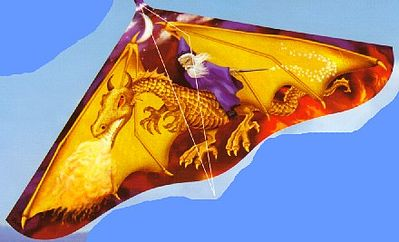
Wizard and Dragon
Things I enjoyed:
Frost Is All Over
Whistle and I'll Come to You
Darkest Dungeon
Devil House
Nina and I went to Puerto Rico for about a week in December. Astute readers of the blog will remember our previous trip more than ten years ago. Consider that since our last visit, the island was subject not only to the devastation of Hurricane Maria but also the devastation of PROMESA. Warmly esconced in first Obama term, we did not imagine it, though maybe we should have. Maybe Papo did. But the island is mostly still there. The Gallery Inn is still there, too, and we stayed there again, as a lark.
I flew out solo, since Nina had arrived several days before for a work thing: a sort of post-Somos Somos. The flight is nothing. You could decide you want to go, in the morning, on a whim, and be there in the afternoon with plenty of time to walk around on the beach. The concierge at the front desk at the hotel asked if I understood what the hotel was all about. Yes, I said, I'd stayed there before. I looked over at the laminated printout taped to one of the plaster busts: "Do not feed Campeche! He is un diablito." Waiting for Nina in our room, my head throbbing from not eating or drinking anything on the plane, I really did feel the vibes coming back. The place is not clean, exactly. The paint on the plaster walls is decades-old and there is snail shit on it. But there is also a fancy antique bookshelf full of cheap old paperback novels in English and Spanish, and if you turn off the dehumidifier, the room doesn't feel like it's indoors at all. It's about as close to camping as I'm willing to get, and ironically it feels a lot more hospitable than an actual hotel. La Perla is still right across the street, but it's gotten a real "glow up" with billboards, neon signs, and fresh paint and sidings on the buildings visible from the road.
Whereas we'd spent our last trip exploring the natural wonders of Puerto Rico, this time we did a lot more "city stuff." An affordance to me, really. I'm a big baby and like to stay where the buildings are and where there's stuff. Nina indulged my desire to visit the Museo de Entomología, and also my desire to not call for a reservation in advance like our old Lonely Planet book recommended. And so we dashed across the highway in Rio Piedras to find that the gatehouse was abandoned, and that the little bathroom inside the gatehouse was all smashed up. And we ventured up the road to where the museum was supposed to be and that building seemed nice and new inside but it was of course closed. So we wandered around the grounds of the University of Puerto Rico's agricultural school (because that is where we were) and waved to a few of the botany students who were tending to their gardens before heading back out to the highway and calling a car. I should have gotten in Trouble for making us do that but I didn't.
We went to La Factoria, which we seemed to remember had at one point been named The Best Bar In The World. It's a good conceit, phenomenal if you can imagine experiencing it in your twenties: A pretty cool bar, with a mysterious door in the back; through the door, another, different bar, with a slightly different vibe. In total I think we "discovered" four bars, but the Internet says there are six. Wowza! Another evening we went to El Batey, which I think might actually be the best bar in the world, and played the most casual round of eight-ball before adding our names to the floor-to-ceiling graffiti with a sharpie.
In the afternoons we dranked iced tea in the front courtyard where a blue macaw (presumably Mikey from our earlier visit; they live forever) had a large cage, a big red and green parrot perched on an artifical tree under a corrugated metal root for shade. There were grackles everywhere, hopping up on the tiled stone table to steal crumbs from our pastries, cocking their heads to look at us with their small golden eyes. Bullying the much larger birds out of their birdseed.
We got paletas from Señor Paleta. I bought us savory mallorcas from a kiosk in Plaza de Armas staffed by a woman who didn't seem to mind the many wasps buzzing around the pastries. I bought us more mallorcas (really the simplest thing to have for breakfast) from an upscale coffee house where I had to listen to some crypto shitheads negotiate a deal while I waited for the pastries. (The island is a paradise but fucked.) We ate mofongo at El Jibarito during a torrential sunshower. I found the location of El Caldero Sabroso, the first place I'd ever had mashed plantains, a decade ago. There was a faded notice that the place was closed, but nothing else had moved into the tiny storefront. Just a padlock on the gate. I made Nina eat yet more vegan tacos at an outdoor food court in Santurce where wild chickens roamed the gravel around the picnic benches and flew up to roost in the trees when it got dark.
A few steps from Señor Paleta is a narrow stone courtyard called Parque de las Palomas, named for the hundred or so pigeons that make their home in nooks carved out of the ancient stone wall of the colonial house next door. (San Juan Viejo is full of these places, an ancient terrace around every corner.) In terms of sheer number of pigeons, the place does not break any records set by New York City. Or even the New Haven Green, where I was once practically mugged by birds after opening a bag of chips. But this is a place you go expressly for the purpose of meeting and interacting with pigeons, and there is even a small kiosk inside that sells birdseed at certain hours. (Though this is in apparent conflict with a sign on the gate outside warning you not to feed the birds.) We found ourselves standing next to a young woman who was absolutely decorated with birds, likely on account of the considerable amount of birdseed she was holding in her cupped hands. A young man was filming her on his phone. Although the birds were polite, she seemed to be a bit unnerved by the sheer number of them on her head, shoulders, and forearms; and she offered to offload some of her birdseed to us. I took some of it, and immediately a pigeon fluttered into my hand to take some. I wasn't prepared for how warm its body was. Like holding a puppy or something. After that we walkd up Calle del Cristo and went into a sock store where they gave us frozen piña coladas in plastic cups and we bought some socks.
Though it felt like July in NYC it was actually almost Christmas, and in the evenings the waterfront and Calle Comercio were dotted with stalls selling gifts and holiday confections, and a skating rink with a synthetic "ice" surface was set up in front of the Puerto Rico Tourism Company's offices on Paseo de la Princesa. The line for skating snaked over itself several times the length of the rink.
We spent a few nights walking around in Santurce, the cool neighborhood in San Juan. We dropped in on an outdoor film screening at La Goyco, a community center repurposed from an old elementary school. We were too late to catch the movies but in time to listen to a panel, mostly in Spanish, from the filmmakers. It was a warm night and I sat in pleasant bafflement understanding about 50% of what was said. We'd walked deep down Calle Loíza looking for "limbers" which are a kind of frozen fruit juice served in plastic cups. That part of San Juan seems caught in a tussle between the cool jovenes living their lives and the rich colonial scum who want a pied-à-terre on the beach. There was a scruffy but impressive community library ("Libros Libres") on the corner of Calle del Parque; a block away, million dollar condos at Gallery Plaza. I know, that's always how it is! We hung out and watched people dance outside the market stalls at La Placita while we ate alcapurrias. (I don't know if I like 'em.) Another night we cut through the concrete courtyard of an apartment building in Parque down to the beach and walked along the water's edge in the dark towards Condado til we reached what looked like a pier half buried in the sand. A huge shape, some kind of industrial hulk, protruded from one end. What was it? We walked closer to see. Oh, a big sewage outflow: "NO SWIMMING." We walked back up to the road.
We went to the Art Museum, and the Contemporary Art Museum (with its Big Ass Fans) and the tiny Museo de San Juan, mere feet from the Inn.
On our last day we visited Save-A-Gato, the cat sanctuary in Old San Juan, a short walk down Calle Norzagaray from the hotel. The sanctuary itself is a small, unassuming building between some basketball courts and one of the buildings of a nearby design school. Didn't seem big enough to accommodate visitors, and it didn't look open anyway. But the surrounding "Parque de los Gatos," a scrubby lawn with a large banyan tree presiding over it, is where all the cats were. Dozens of them, scruffy, skinny, limping; alternately missing ears, eyes, tail tips. But they all seemed pretty satisifed with their lot. Some were friendly and affectionate, most of them indifferent to the handful of people who were carefully stepping around the turds to get a look at them. From there we walked down to Paseo del Morro and traced the ancient sea wall around the Fort until we got too hot. In the evening, we went down to the Cementerio Santa María Magdalena de Pazzi, the necropolis at the end of a short road from El Morro where you can see the waves crashing out beyond the array of white headstones. Time stops for a moment.
Back up on the broad green lawn of the park, dozens of people were walking, sitting, and flying kites. As it happened Nina had never flown a kite before, and there was a woman selling kites and other picnic tack from the back of a van near the entrance to the Fort. We bought the cheapest kite, printed with a picture of a wizard astride a great golden dragon; unspooled the line, and ran it up into the sky. The sea wind by the Fort carried it up rapidly, and it we took turns tugging the bridle back and forth to keep it aloft. There's a real pleasant disorientation that comes with flying a kite out where the sky is really huge and the sun has just set and you're in a huge field that's full of people but it feels like it's only you and the sky wheeling above.
Once it got truly dark we placed the kite on a low stone wall near the rotary on Calle del Morro where people were leaving behind things that could be reused. We'll come back for it in ten years.
Frost Is All Over
Whistle and I'll Come to You
Darkest Dungeon
Devil House
Nina and I went to Puerto Rico for about a week in December. Astute readers of the blog will remember our previous trip more than ten years ago. Consider that since our last visit, the island was subject not only to the devastation of Hurricane Maria but also the devastation of PROMESA. Warmly esconced in first Obama term, we did not imagine it, though maybe we should have. Maybe Papo did. But the island is mostly still there. The Gallery Inn is still there, too, and we stayed there again, as a lark.
I flew out solo, since Nina had arrived several days before for a work thing: a sort of post-Somos Somos. The flight is nothing. You could decide you want to go, in the morning, on a whim, and be there in the afternoon with plenty of time to walk around on the beach. The concierge at the front desk at the hotel asked if I understood what the hotel was all about. Yes, I said, I'd stayed there before. I looked over at the laminated printout taped to one of the plaster busts: "Do not feed Campeche! He is un diablito." Waiting for Nina in our room, my head throbbing from not eating or drinking anything on the plane, I really did feel the vibes coming back. The place is not clean, exactly. The paint on the plaster walls is decades-old and there is snail shit on it. But there is also a fancy antique bookshelf full of cheap old paperback novels in English and Spanish, and if you turn off the dehumidifier, the room doesn't feel like it's indoors at all. It's about as close to camping as I'm willing to get, and ironically it feels a lot more hospitable than an actual hotel. La Perla is still right across the street, but it's gotten a real "glow up" with billboards, neon signs, and fresh paint and sidings on the buildings visible from the road.
Whereas we'd spent our last trip exploring the natural wonders of Puerto Rico, this time we did a lot more "city stuff." An affordance to me, really. I'm a big baby and like to stay where the buildings are and where there's stuff. Nina indulged my desire to visit the Museo de Entomología, and also my desire to not call for a reservation in advance like our old Lonely Planet book recommended. And so we dashed across the highway in Rio Piedras to find that the gatehouse was abandoned, and that the little bathroom inside the gatehouse was all smashed up. And we ventured up the road to where the museum was supposed to be and that building seemed nice and new inside but it was of course closed. So we wandered around the grounds of the University of Puerto Rico's agricultural school (because that is where we were) and waved to a few of the botany students who were tending to their gardens before heading back out to the highway and calling a car. I should have gotten in Trouble for making us do that but I didn't.
We went to La Factoria, which we seemed to remember had at one point been named The Best Bar In The World. It's a good conceit, phenomenal if you can imagine experiencing it in your twenties: A pretty cool bar, with a mysterious door in the back; through the door, another, different bar, with a slightly different vibe. In total I think we "discovered" four bars, but the Internet says there are six. Wowza! Another evening we went to El Batey, which I think might actually be the best bar in the world, and played the most casual round of eight-ball before adding our names to the floor-to-ceiling graffiti with a sharpie.
In the afternoons we dranked iced tea in the front courtyard where a blue macaw (presumably Mikey from our earlier visit; they live forever) had a large cage, a big red and green parrot perched on an artifical tree under a corrugated metal root for shade. There were grackles everywhere, hopping up on the tiled stone table to steal crumbs from our pastries, cocking their heads to look at us with their small golden eyes. Bullying the much larger birds out of their birdseed.
We got paletas from Señor Paleta. I bought us savory mallorcas from a kiosk in Plaza de Armas staffed by a woman who didn't seem to mind the many wasps buzzing around the pastries. I bought us more mallorcas (really the simplest thing to have for breakfast) from an upscale coffee house where I had to listen to some crypto shitheads negotiate a deal while I waited for the pastries. (The island is a paradise but fucked.) We ate mofongo at El Jibarito during a torrential sunshower. I found the location of El Caldero Sabroso, the first place I'd ever had mashed plantains, a decade ago. There was a faded notice that the place was closed, but nothing else had moved into the tiny storefront. Just a padlock on the gate. I made Nina eat yet more vegan tacos at an outdoor food court in Santurce where wild chickens roamed the gravel around the picnic benches and flew up to roost in the trees when it got dark.
A few steps from Señor Paleta is a narrow stone courtyard called Parque de las Palomas, named for the hundred or so pigeons that make their home in nooks carved out of the ancient stone wall of the colonial house next door. (San Juan Viejo is full of these places, an ancient terrace around every corner.) In terms of sheer number of pigeons, the place does not break any records set by New York City. Or even the New Haven Green, where I was once practically mugged by birds after opening a bag of chips. But this is a place you go expressly for the purpose of meeting and interacting with pigeons, and there is even a small kiosk inside that sells birdseed at certain hours. (Though this is in apparent conflict with a sign on the gate outside warning you not to feed the birds.) We found ourselves standing next to a young woman who was absolutely decorated with birds, likely on account of the considerable amount of birdseed she was holding in her cupped hands. A young man was filming her on his phone. Although the birds were polite, she seemed to be a bit unnerved by the sheer number of them on her head, shoulders, and forearms; and she offered to offload some of her birdseed to us. I took some of it, and immediately a pigeon fluttered into my hand to take some. I wasn't prepared for how warm its body was. Like holding a puppy or something. After that we walkd up Calle del Cristo and went into a sock store where they gave us frozen piña coladas in plastic cups and we bought some socks.
Though it felt like July in NYC it was actually almost Christmas, and in the evenings the waterfront and Calle Comercio were dotted with stalls selling gifts and holiday confections, and a skating rink with a synthetic "ice" surface was set up in front of the Puerto Rico Tourism Company's offices on Paseo de la Princesa. The line for skating snaked over itself several times the length of the rink.
We spent a few nights walking around in Santurce, the cool neighborhood in San Juan. We dropped in on an outdoor film screening at La Goyco, a community center repurposed from an old elementary school. We were too late to catch the movies but in time to listen to a panel, mostly in Spanish, from the filmmakers. It was a warm night and I sat in pleasant bafflement understanding about 50% of what was said. We'd walked deep down Calle Loíza looking for "limbers" which are a kind of frozen fruit juice served in plastic cups. That part of San Juan seems caught in a tussle between the cool jovenes living their lives and the rich colonial scum who want a pied-à-terre on the beach. There was a scruffy but impressive community library ("Libros Libres") on the corner of Calle del Parque; a block away, million dollar condos at Gallery Plaza. I know, that's always how it is! We hung out and watched people dance outside the market stalls at La Placita while we ate alcapurrias. (I don't know if I like 'em.) Another night we cut through the concrete courtyard of an apartment building in Parque down to the beach and walked along the water's edge in the dark towards Condado til we reached what looked like a pier half buried in the sand. A huge shape, some kind of industrial hulk, protruded from one end. What was it? We walked closer to see. Oh, a big sewage outflow: "NO SWIMMING." We walked back up to the road.
We went to the Art Museum, and the Contemporary Art Museum (with its Big Ass Fans) and the tiny Museo de San Juan, mere feet from the Inn.
On our last day we visited Save-A-Gato, the cat sanctuary in Old San Juan, a short walk down Calle Norzagaray from the hotel. The sanctuary itself is a small, unassuming building between some basketball courts and one of the buildings of a nearby design school. Didn't seem big enough to accommodate visitors, and it didn't look open anyway. But the surrounding "Parque de los Gatos," a scrubby lawn with a large banyan tree presiding over it, is where all the cats were. Dozens of them, scruffy, skinny, limping; alternately missing ears, eyes, tail tips. But they all seemed pretty satisifed with their lot. Some were friendly and affectionate, most of them indifferent to the handful of people who were carefully stepping around the turds to get a look at them. From there we walked down to Paseo del Morro and traced the ancient sea wall around the Fort until we got too hot. In the evening, we went down to the Cementerio Santa María Magdalena de Pazzi, the necropolis at the end of a short road from El Morro where you can see the waves crashing out beyond the array of white headstones. Time stops for a moment.
Back up on the broad green lawn of the park, dozens of people were walking, sitting, and flying kites. As it happened Nina had never flown a kite before, and there was a woman selling kites and other picnic tack from the back of a van near the entrance to the Fort. We bought the cheapest kite, printed with a picture of a wizard astride a great golden dragon; unspooled the line, and ran it up into the sky. The sea wind by the Fort carried it up rapidly, and it we took turns tugging the bridle back and forth to keep it aloft. There's a real pleasant disorientation that comes with flying a kite out where the sky is really huge and the sun has just set and you're in a huge field that's full of people but it feels like it's only you and the sky wheeling above.
Once it got truly dark we placed the kite on a low stone wall near the rotary on Calle del Morro where people were leaving behind things that could be reused. We'll come back for it in ten years.
Saturday, October 15, 2022
Turn, Season
When I first started this blog, I thought I wanted it to be like Moby Dick, or the Old Farmer's Almanac my parents had when I was little: Open to one page and read an argument for the ontological disposition of whales. Turn to another for a limerick or story, short enough to digest with breakfast. Instead, I wound up writing mostly about bands I saw during what I think of as the "Wonderful Underworld" epoch of North Brooklyn; and then once that was over, little essays about my feelings and a brooding annual evaluation of my Progress as a Rake.
But now that I have settled a bit, I would like to write more often and more in the Almanac mode. So here is a morning chapter:
The best tuna salad in the world
Yield: 2 servings
Ingredients:
One can of tuna from the store
One or two stalks of celery, diced
One shallot clove, minced
About half of one kosher dill pickle, seeds removed, minced (a couple of Claussen's "sandwich slices" work well for this)
One large spoonful (like a soup spoon) of mayonnaise
One tablespoon sriracha
1/4 teaspoon paprika
1/2 teaspoon Italian seasoning
Ground black pepper to taste
Mix the mayonnaise, sriracha, paprika, Italian seasoning, and pepper in a medium-sized bowl. Discard any excess oil from the can of tuna and add the tuna to the bowl, using a fork to flake it apart. Add the remaining ingredients to the bowl and mix well. Put the tuna salad into a sandwich or enjoy with crackers or something.
A pretty good green salad
Yield: 1-2 servings
Salad parts:
A couple of big handfuls of arugula and baby spinach leaves
One handful of cherry tomatoes, sliced in half
One handful of baby carrots, sliced into thin rounds
One scant handful of dried cranberries
One handful of walnuts, crumbled by hand
Dressing:
A splash of extra virgin olive oil
A splash of apple cider vinegar
1/4 teaspoon of spicy mustard (Kosciusko Spicy Brown Mustard works well for this)
1/2 teaspoon of dried oregano
A splash of lemon juice
Ground black pepper to taste
Whip the dressing ingredients together, then pour over the the salad parts.
Subscribe to:
Posts (Atom)


